TEDxMeritAcademy: 2025 Events
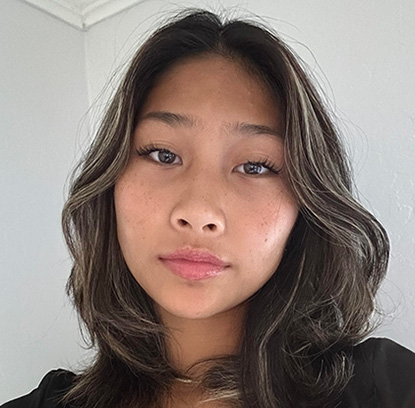
“How to Get Out of the Overthinking Abyss in Sports“ by Audriana Aguilar
Many have said that almost 50% of sports is mental. Today, the mental aspects of sports are commonly overlooked. Athletes undergo intense physical training to ensure the best performance possible. But what about the mental training? 85% of athletes, including Audriana’s teammates and herself, have admitted that they have been so nervous before a game that it negatively affected their performance. So, Audriana conducted a survey to find real solutions to enhance the physical and mental aspects of athletic performance.
About Audriana Aguilar:
Audriana is a high school sophomore in the Bay Area. She has played sports, including basketball, flag football, track and field, swimming, and soccer, since she was 4 years old. Now, she plays both varsity basketball and flag football. When she was introduced to sports psychology, she immediately knew what she wanted to do. Therefore, she is looking to pursue subjects such as sports psychology in the future that intertwine both of her interests.
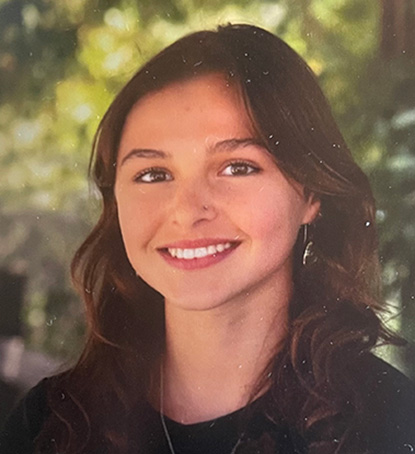
“Developing a Novel Algae and Compost Biofertilizer to Help Feed the World” by Lilly Froeming
Harmful algae blooms are a growing global threat, fueled by pollution and climate change. They damage ecosystems, contaminate water, and endanger human and animal health, but what if the problem could become part of the solution? Lilly explores ideas of using algae collected from local waterways to create a biofertilizer. By combining it with homemade compost and testing it on radish plants, she aims to enhance crop growth, reduce chemical fertilizer use, and repurpose a harmful growth into something beneficial.
About Lilly Froeming:
Lilly Froeming is a senior at a California charter school. She hopes to major in environmental, biomedical, or architectural engineering because it’s the foundation for change and growth. She spends time training for cross country, and visiting the California Delta to fish and enjoy the company of friends and family.
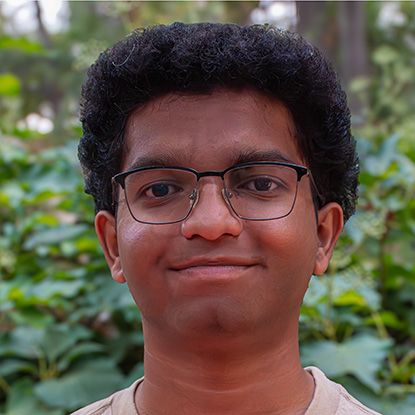
“Reinventing the Wheel: A Spokeless Wheelchair That Prevents Injuries ”
by Ankith Girish
Wheelchairs pose significant hazards to their users, whose injuries commonly resulted from tips, falls and entanglements in the open spokes used in standard wheelchairs. Ankith has developed a unique solution to the problem by designing a spokeless wheelchair, for which he has filed for a provisional patent from the U.S. Patent and Trademark Office. His design not only reduces the chances of entanglement injuries, but offers enhanced stability and maneuverability, and a minimalist aesthetic.
About Ankith Girish:
Ankith Girish is a Bay Area high school senior whose interests include aviation and engineering, working with machines, and coming up with unique solutions to design and engineering problems. Outside of school he enjoys experimenting with CAD design, 3D printing, and playing the guitar.

“Ingenius Soles to Prevent Potential Injuries” by Lucida Chen
While walking home in Taipei, I noticed how people made space for the elderly, an act of respect that stayed with me. That moment inspired my idea for smart insoles, designed to improve balance and prevent falls. These insoles use force-sensitive resistors placed under the heel, ball, and toe to track gait and detect uneven pressure. Three adjustable air pockets to help adjust the foot in real time, providing support and stability. More than just technology, they are a representation of empathy and protection for our communities.
About Lucida Chen:
Lucida Chen is a senior at The International School of San Francisco. She spends most of her time outside of school figure skating, creating art pieces with different medias, and cooking new recipes. In the future, she hopes to pursue industrial design to help enhance the well-being of people.
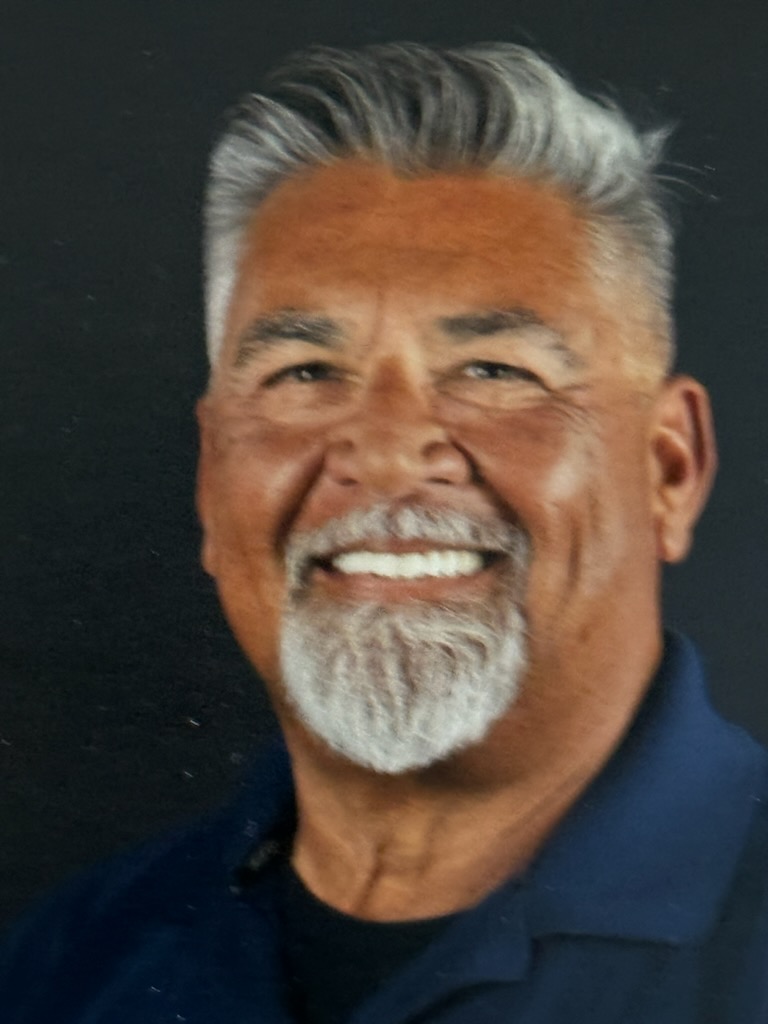
“Wildfire: Life-Saving Strategies for Survival and Safety” by Tony Akin
Living in the wildland-urban interface (WUI) comes with unique challenges—and growing risk. Here Tony shares essential, actionable steps to protect yourself and community when disaster strikes. From creating evacuation and communication plans to identifying hazards and potential mitigation strategies, this talk is packed with life-saving insights that every resident in wildfire-prone areas needs to know.
About Tony Akin:
Tony Akin is a retired wildland firefighter with over 32 years of experience working in the northern and southern zones of California. Throughout his career, he worked in incident command as a division group supervisor, strike team leader, information office, and member of the Helitack crew. He is now the Defensible Space Specialist of a local fire district where he focuses on educating WUI residents on becoming fire adaptive.

“Make Lemonade: How to Turn Pain into Power, Peace, and Purpose”
by Terri Lomax
Healing isn’t linear, and it doesn’t mean skipping the sour parts of life. It’s about learning to process and transform them. In this heartfelt talk, speaker and podcaster Terri Lomax shares how she turned adversity and loss into power, peace, and purpose. Through raw storytelling and lessons in resilience, Terri invites listeners to honor every part of their healing journey and trust that growth can emerge, even from the toughest moments, if we’re open to the invitation.
About Terri Lomax:
Terri Lomax is a speaker, storyteller, and podcaster whose work explores the intersection of resilience, self-worth, and human potential. Her talks invite audiences to reflect on how personal transformation can shape meaning and purpose.
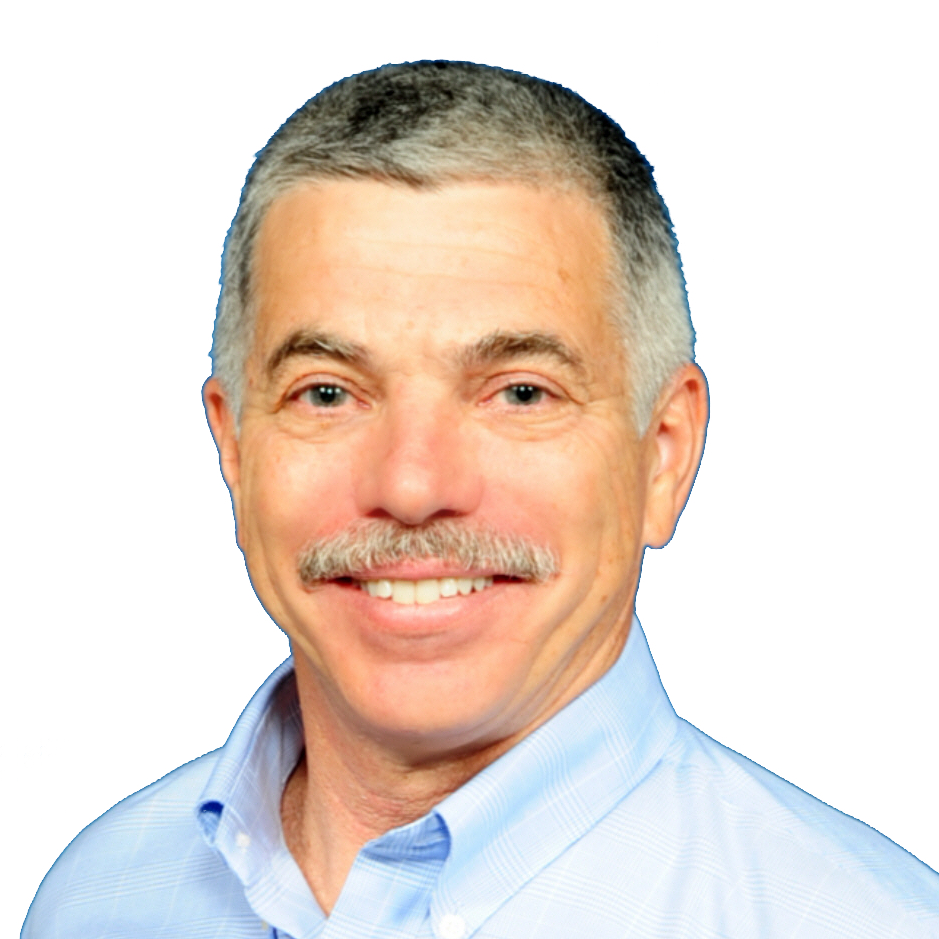
“Wildfire: How can Homeowners Save Their Fire Insurance?” by Marco Mack
What if you could lower your wildfire risk—and your insurance premiums—at the same time? As wildfires become more frequent and severe, many homeowners in the Wildland-Urban Interface (WUI) have lost coverage entirely. In this eye-opening TEDx talk, [Speaker Name] introduces a bold new solution: a national wildfire retrofit standard that empowers individual homeowners to take action. By having properties evaluated and scored by a trusted third party, insurers could finally base rates on proven fire prevention—not just ZIP codes.
About Marco Mack:
Marco Mack has more than 30 years’ experience in the California Fire Service as a fire ground commander with specialty skills in community risk reduction, wildfire response, and wildfire risk mitigation.
Marco Mack is a volunteer and past president of the Santa Cruz County Fire Safe Council in California. He is actively involved in development of wildfire regulations, including the California Board of Forestry’s Zone Zero Workgroup and the International Code Council’s development of ICC605 Standard to address Residential Construction in Regions with Wildfire Hazards.

“Ode to Advance Directives” by Nicole D’Arcy, MD
By using a bit of humor and music, D’Arcy and Anna Krawisz encourage everyone to write their advance directives. By writing these, your loved ones will know how you want them to handle your end-of-life care and decisions. They produced this music video with the Stanford Videography Dept. while med students at Stanford Medical School.
About Nicole D’Arcy:
Nicole D’Arcy is the Medical Director of the Santa Clara County EMS Agency. She is also an ER doctor at Valley Medical Hospital in San Jose, CA.
TEDxMeritAcademy: 2024 Events
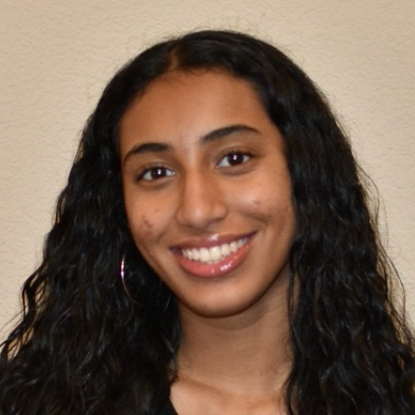
“Passionate about Passionflower: A Natural Remedy for Anxiety“ by Abby Mathew
Since the COVID-19 pandemic, anxiety rates have risen by 25% and one in five teens experiences symptoms of anxiety or depression. When confronted with growing anxiety among her peers, Abigail explored an alternative medication without some of the harsh side effects of prescription anxiety meds. Her research led her to passion flower, a plant that has been used in conjunction with other herbs as an anxiety treatment before, but never studied independently. Preliminary studies show a positive correlation between heart rate reduction and passion flower use.
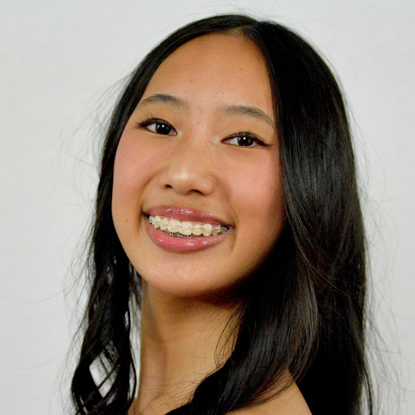
“EduBoost Tax” by Katie Luong
It is no secret that the education system in the United States is chronically underfunded. Schools across America suffer from massive teacher shortages, a lack of up-to-date technological resources, and a problem with both physical and mental student safety. Katie looks to add to the Department of Education budget through a system of taxing the wealthiest Americans using a sliding scale based on income. Her formula would see a negligible percentage of those Americans’ taxes being used to benefit millions of children across the country.
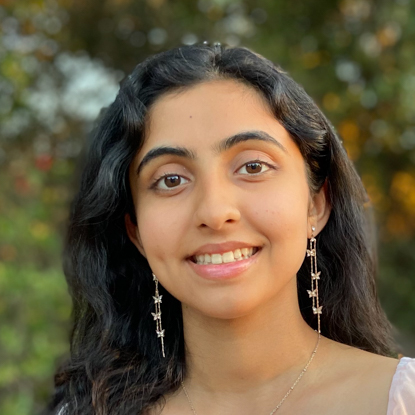
“Video Time Capsule” by Isha Bajpai
Stories connect us, but with the growing digital divide between generations, it is harder for those narratives to be shared. Inspired by stories of her family from India, Isha created Video Time Capsule, an app designed to make it easy for generations to share and save stories from their past without the confusion present in social media platforms. The app provides prompts to help people feel comfortable sharing the stories that make them uniquely themselves.
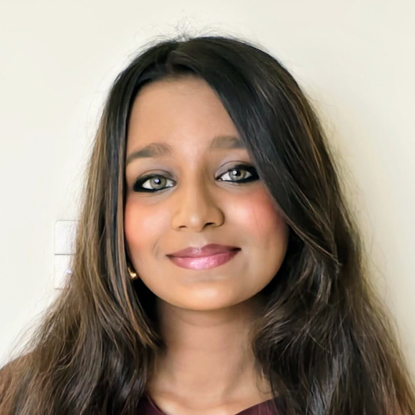
“PlanetPoints: A Personal Enviormental Sustainability Tracker” by Kaaviya Aravind
For years, Delhi has been labeled as one of the most polluted cities in the world. But while the air quality is poor, small changes have been made and the daily AQI decreased by 29.4% from 2022 to 2023. Inspired by the communal changes made in her hometown, Kaaviya created PlanetPoints, an app that helps users see how their own small efforts towards sustainability can pay off in a big way.
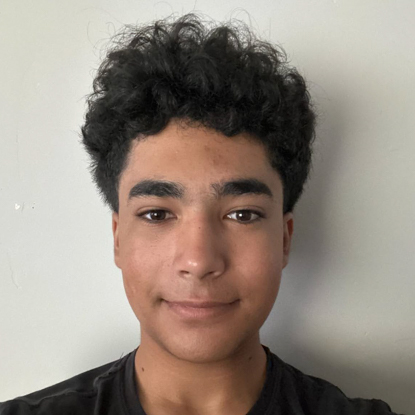
“Novel Bioplastic” by Miles Elliot
Globally, we have reached a staggering 400 million tons of plastic consumption each year. Americans use an average of .75 pounds of plastic on a daily basis–that’s like throwing away over 35 pens worth of plastic every day. While some replacement bioplastics exist, Miles wanted to focus on plastics for household use. He created a bioplastic film alternative made from potato, alfalfa, and kelp and discovered that not only was it a viable replacement, but it even looked as clear as the “real” thing!
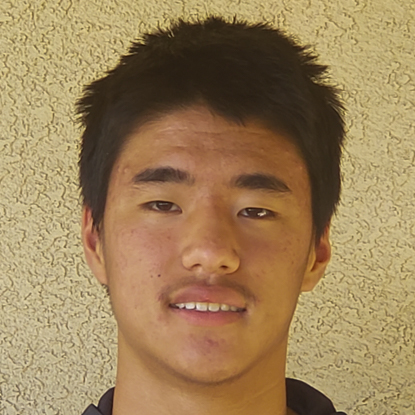
“Mycelium Woven Wall” by Brandon Xu
The 2020 Northern Complex Fire destroyed 318,935 acres of land and turned the skies over Northern California a dark orange from chemicals trapping carbon dioxide particles. Brandon wondered what could be done to mitigate these types of natural disasters in the future. He investigated whether mycelium, fungal threads that grow in the soil beneath mushrooms, could be used to create a drywall alternative that holds up to construction standards. Not only will his mycelium wall be better in disaster situations, it also reduces carbon emissions.
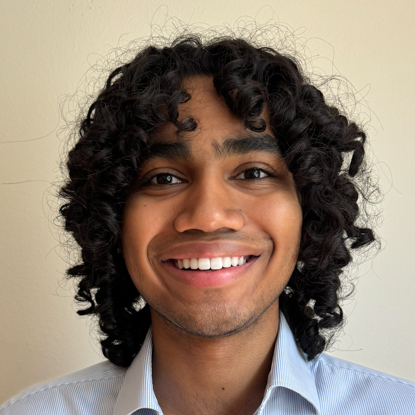
“Sakkar.ai: Managin Diabetes and Transforming Lives through Artificial Intelligence” by Nundhaa Sivabalan
Diabetes affects more than 537 million adults worldwide. In the US alone, 11% of the population has been diagnosed with diabetes and another 28% are classified as being prediabetic. After watching his grandparents struggle for years with confusing advice about diet and the financial burden of medication, Nundhaa decided to develop an app, Sakkar.ai, a personal diabetes assistant designed to provide tailored advice on lifestyle changes to prevent prediabetes and control Type 1 and Type 2 diabetes more effectively. He is going to India to launch this app in areas without healthcare access.
TEDxMeritAcademy: 2023 Events

“Track a Gun: A Crowdsourcing Solution to Active-Shooter Violence” by Kiran Sunil
Over the past 9 months, there have been over 25,000 deaths by gun violence. Kiran created Track A Gun, an app that empowers communities to prevent gun violence. Through crowdsourcing, this app can help people share what they see and hear in real time so victims can decide to run for shelter, hide from the shooter, or protect loved ones during an active-shooter incident. Join Kiran to learn how innovation and the power of collective action can foster safer, more connected communities.

“Trauma on the brain” by Daisy Payton
The neurobiological effects of PTSD can vary based on personal touch. PTSD is caused by extreme trauma and is seen most in women and people of color. Research shows that long term experience of traumatic stress has drastic impacts on specific structures of the brain, like the prefrontal cortex. These disruptions can affect the ability to regulate emotion, learn, and form new memories and it looks different in every gender, demographic and stage of development. It is treatable.

“Is Vaping affecting more than just your Lungs” by Mehtaab Dhillon
Vaping is this generation’s new medium to consume nicotine and weed, and like cigarettes, users are getting more than just nicotine and weed. A concerning portion of the youth is falling victim to the propaganda of Big Tobacco who has framed vaping as a healthy alternative to smoking cigarettes. New research shows that this is the case. With the recent global pandemic, it is important to understand vaping’s effects of vaping on our immune system and with the help of controlled research, expose Big Tobacco’s lies.

“Using Technology to Address Homelessness” by Aidan Levan
In 2022, San Jose spent $116 million on homelessness. As the homeless population rises, action must be taken. Aidan Levan created an app called Loved Ones Are Found to help connect the homeless with their loved ones. Through crowdsourcing, this app can locate the homeless and reconnect them with their families while also getting them off the streets. Whether families are looking for their lost homeless loved one or a homeless person is looking for their family, people can reunite through the app.

“Spice, Medicine, or Both?: Turmeric & Health” by Neha Surendar
Ayurveda, a 5,000 year old holistic healing system, focuses on balancing bodily systems to maintain health. A critical ingredient in Indian cooking and medicine, turmeric has a long tradition as a versatile spice. As Western healthcare becomes more focused on pharmaceuticals, Neha Surendar believes turmeric and its antioxidative properties should be part of the conversation about treating a variety of conditions. Her talk challenges the audience to consider how turmeric can impact their health.

“A Digestible Solution for IBD Patients” by Nicholas Tran
Today, Inflammatory Bowel Disease (IBD) is rapidly spreading with the Westernization of our diets, causing an influx of unhealthy processed foods which cause catastrophic and irreversible damage to our gut. IBD is lifelong and unpredictable in nature, casting a heavy toll on a patient’s mental health, especially those diagnosed with early onset IBD. Nicholas discusses the gaps within IBD treatment and offers his own solution, an app focused on improving patient quality of life through positive nutrition.
TEDxMeritAcademy: 2022 Events
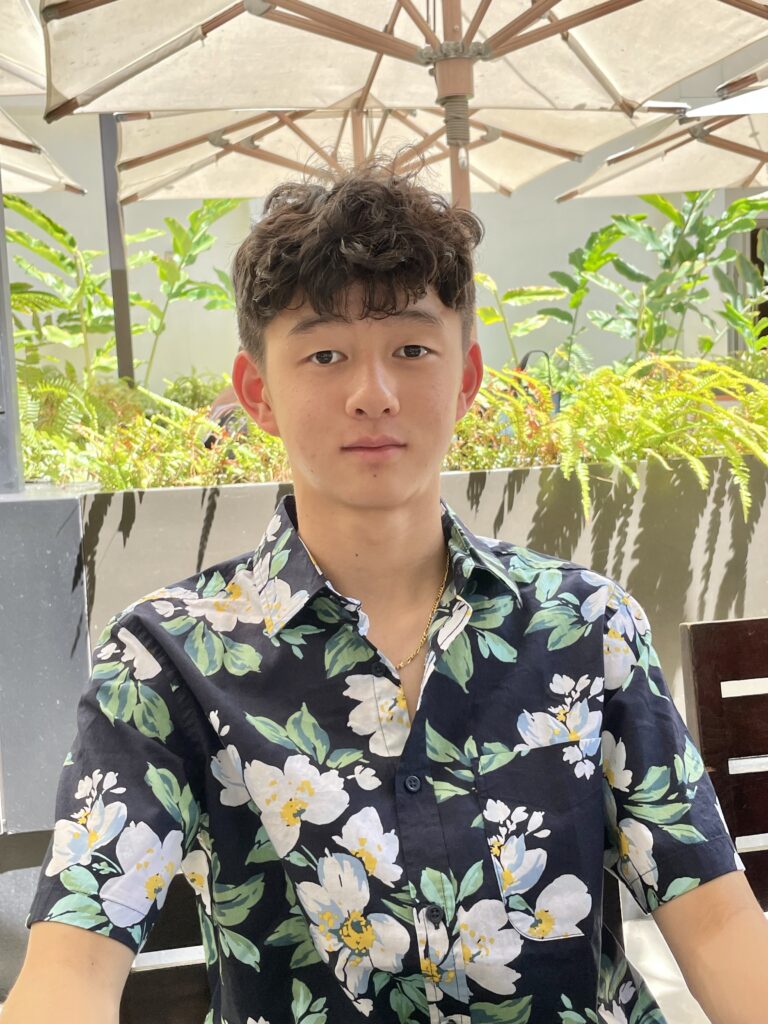
“America Needs a Common Charger for All Electronic Devices” by Lance Fuchia
Have you ever grown frustrated with the growing mess of wires under your desk and wondered why all electronic devices utilize different charging ports? The issue of distinct chargers spans deeper than user inconvenience; every year, charger production emits 3.34 million tons of carbon dioxide and charger disposal generates 11,000 tons of e-waste. Lance founded an organization called One Charger for All that is fighting to mandate a common charger for all electronic devices under 240W of power.
“Using technology to help the elderly and their caregivers” by Garett Ho
The number of people aged 65 and older with dementia in the US is projected to be 12.7 million by 2050. There is a tremendous need to help this community remain safe and provide a sense of security for caregivers. By monitoring vitals and daily activities and creating connections within the community through a user-friendly app, people can live their lives more fully, safely, and securely. Garett created an app to assist both the elderly individual and their caregivers.
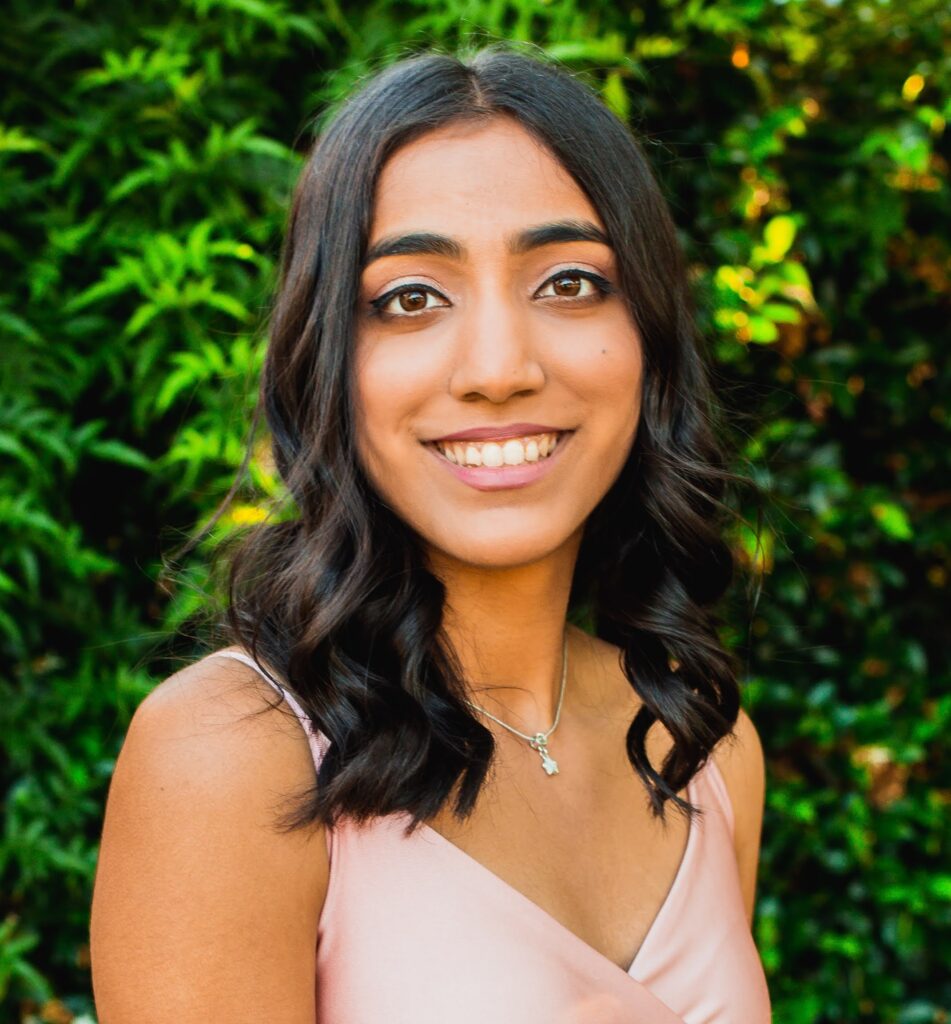
“Innovative Ideas Start Here” by Ariya Arora
Engineers make things functional. Artists make things pretty. Product designers do both. Human-centered design means that a product should be designed with the user in mind. Ariya improves upon simple products to make them more functional and sustainable. She notices the unfortunate American tendency to upgrade and replace things with rapid speed. With a desire to lessen needless consumption and waste, Ariya believes that product design can quite literally change the world.
“Let’s not waste any more time on waste” by Rishan Baweja
Food waste is an issue with devastating consequences for families and the environment. With billions of tons of food ending up in landfills, the crisis continues to grow. Rishan developed an app called the WasteReducer App, which allows users to create menus for the week before they go shopping with the goal of buying only what will be used. Consumers can practice smart shopping in a convenient and environmentally-friendly way.
“A Message that Spreads Like Wildfire” by Sean Gomez
Wildfires are dangerous natural disasters that affect people across the United States and globally. Residents are often stranded and left to fend for themselves, even when emergency personnel are on their way. First responders are often sent in with vague information, making them vulnerable when arriving on scene. Sean discusses the importance of communication when power is out in crisis, as well as a brand new way of preparing people for the next disaster.
TEDxMeritAcademy: 2021 Events
“We Have a Big Fracking Problem” by Alisha Bhatia
Our world is transforming into a dangerous place full of people dying from carcinogens in our drinking water. This water contamination occurs as a result of hydraulic fracturing, or fracking, which is a process where high pressure fracking fluid is injected underground to extract fuel and natural gas. The fracking fluid contains over 1100 chemicals, and these chemicals seep into our drinking water. Alisha discusses the adverse health implications of these contaminants as well as her progress in finding a water filtration solution.
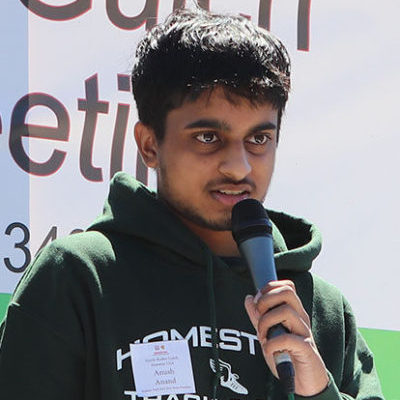
“Say No to Vinyl; Save Your House” by Anush Anand
In 2020, over 18,000 structures were burned in wildfires across the country. These fires are often caused by small individual embers and not just engulfed by direct flame contact. As a result, the building materials used can be the difference between protecting a home and losing it to fire. Anush Anand identifies the problem with vinyl products and illustrates the risk homeowners take when relying on vinyl through statistics, reasoning, and a demonstration. He also discusses solutions and proposes potential legislation to have a positive, long-lasting impact on home protection in the future.
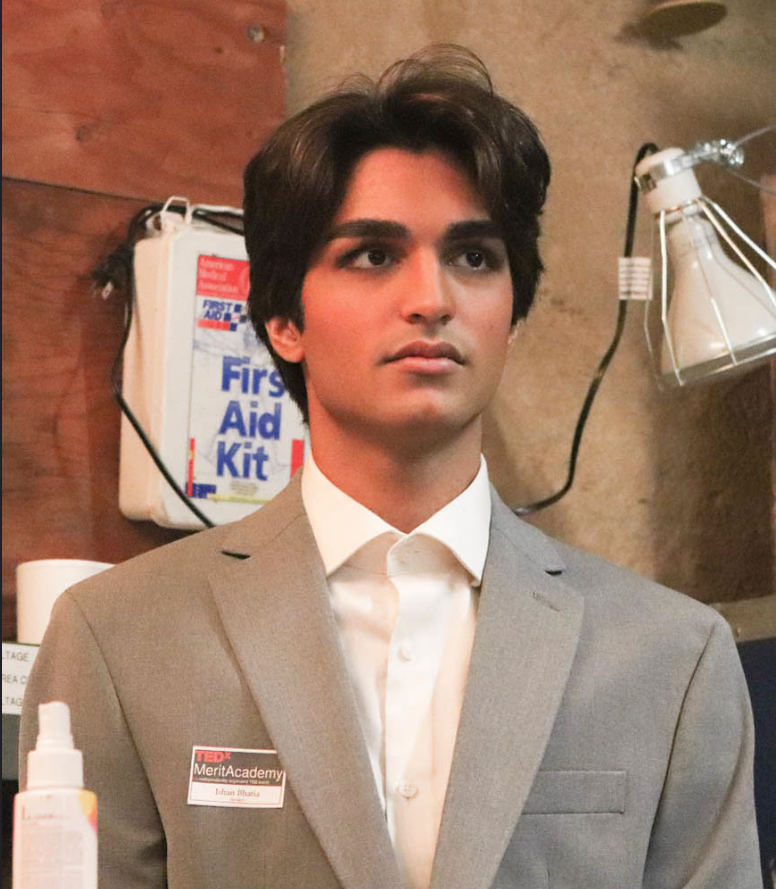
“There isn’t MUSH ROOM for Harmful Pesticides” by Ishan Bhatia
Our population is rapidly increasing, and our food supply can barely keep up. Pests relentlessly attack crops, threatening the stability of our food supply. Pesticides are necessary to stop these pests, but the use of these only harm us and the environment around us. It seems as if it’s an inescapable dilemma — do we protect our environment or our food supply? But do we really need to answer this question at all? In his speech, Ishan discusses the application of the mushroom Cordyceps militaris as a highly effective pesticide that poses no threat to the environment, as well as the health problems that pesticides pose to us as humans.
“Make a Miracle Happen” by Nishi Dharia
Many premature babies die each year because they do not have access to basic care and technology. Nishi created a low-cost neonatal incubator that can maintain a temperature of 34-35 degrees Celsius for up to four hours without the use of technology. So far, her Impact Incubators has distributed 100 incubators in rural areas of India.
“Don’t Pass 126, because Diabetes has No Easy Fix” by Aurchana Manickavasagan
Diabetes killed 1.5 million people in 2019, and it is completely preventable. The World Health Organization currently lists diabetes as the 9th leading cause of death in the world. When a pre-diabetic person’s fasting blood sugar elevates to 126 mg/dL, they pass a threshold that means that they will be diabetic for life. After that point, there is absolutely nothing that can be done to reverse it. But, if pre-diabetic people monitor their blood sugar so they don’t pass 126, they can avoid diabetes completely. Aurchana Manickavasagan talks about the dangers that lie in the permanence of diabetes, and how checking your numbers consistently is the key to long, diabetes-free life.
TEDxMeritAcademy: 2020 Events
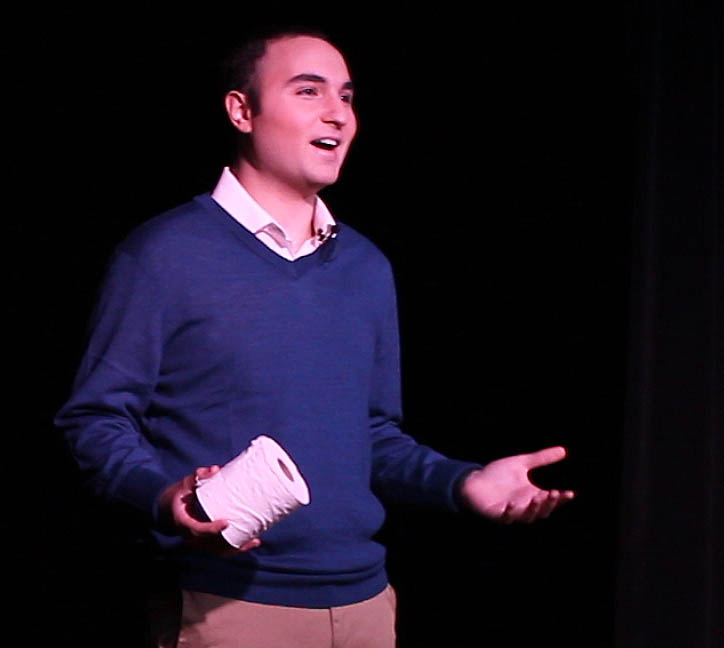
“How Did Toilet Paper Break the Supply Chain?” by Hasen Alkoraishi
17-year-old student creates COVID-19 clearinghouse website to prevent shortages of PPE as America’s death toll surpasses 400,000
Back in June, millions of tons of food, literally, were dumped because everything from processing plants to restaurants to schools were suddenly closed. Farmers were forced to slaughter their livestock, meat processing plants were forced to discard their food, and farmers were forced to landfill tons of crops, all while food banks were running out of food and people didn’t have meals to feed their families. At the same time, hospitals ran out of PPE for doctors, nurses and healthcare workers because of the sudden demand for masks, gloves, and ventilators. Plenty of manufacturing companies here in the US could have halted their normal production of other products to focus on making the PPE needed but there was no platform for them to respond to specific hospitals and buyers. Now, we as a nation have surpassed 400,000 COVID-19 deaths and Supply Chain Relief is ready to be the clearinghouse platform to connect buyers to suppliers on the national and world stage.
TEDxMeritAcademy: 2019 Events
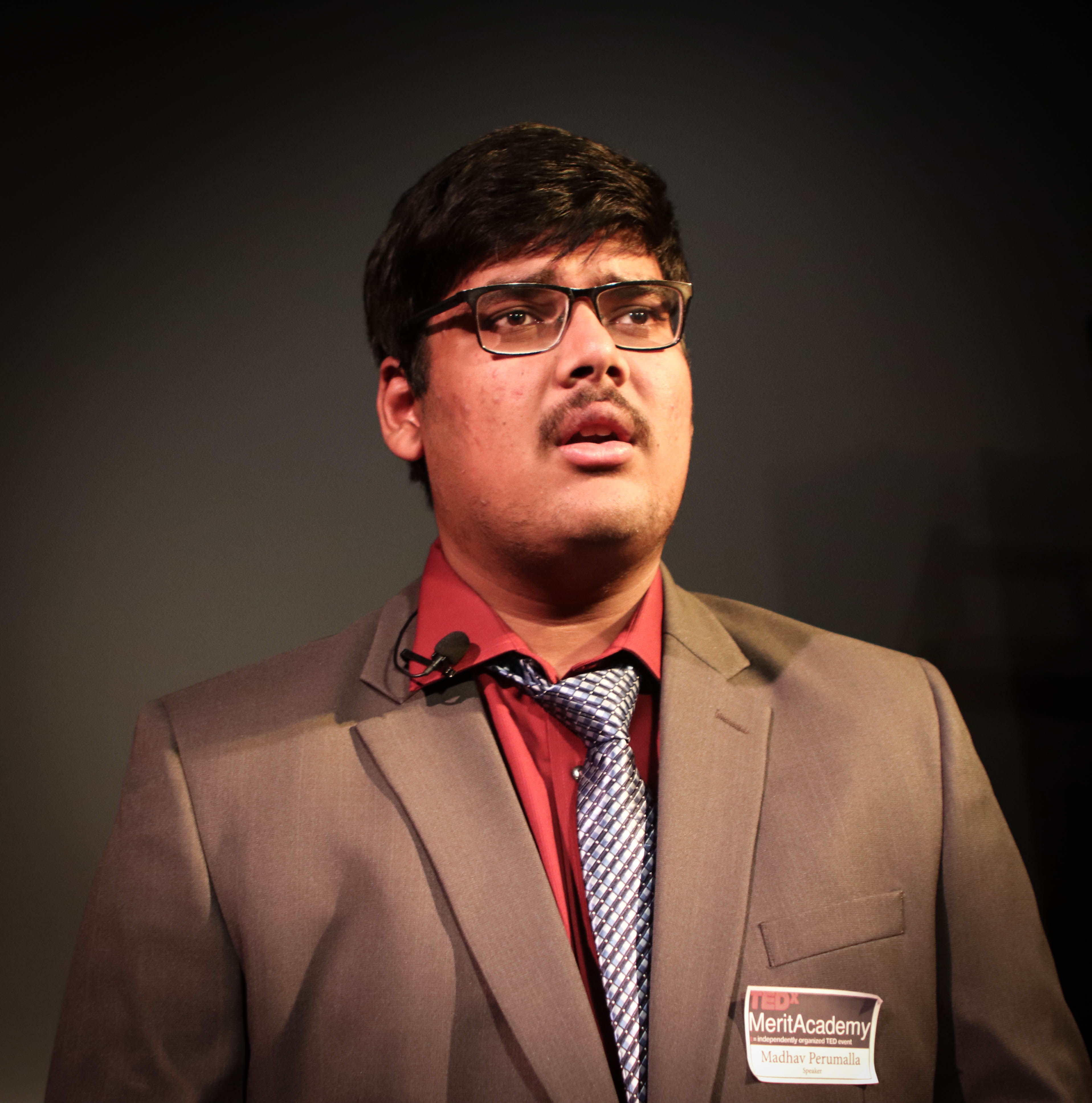
“Influence on Teenagers” by Sethumadhav Perumalla
Sethumadhav’s speech discusses online misinformation that only a clown could believe. He explains how teenagers are easily influenced in ways that harm themselves and others. Acting on and spreading false medical information can lead to illnesses and deaths. Insulting people online leads to mass cyberbullying through copycat behavior. People shouldn’t be swayed into believing or repeating online information without enough evidence. How teens act online can negatively affect them and other users of social media. His advice can help teens avoid becoming stupid clowns.
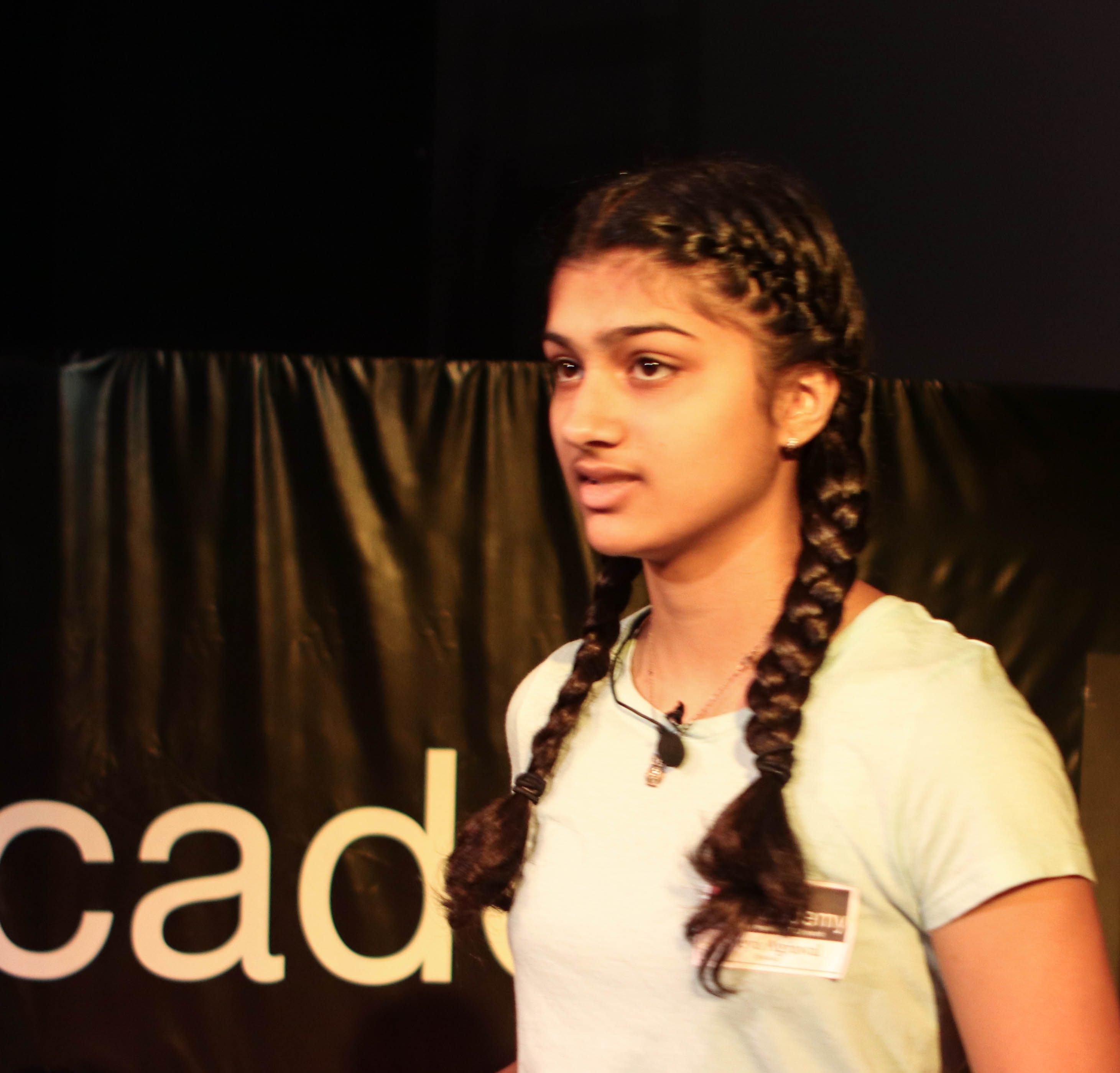
“Animal Abuse in Eco-tourism” by Shreya Agrawal
Shreya will shed light on how animals are mistreated behind the scenes, and how many tourists are misinformed about animal cruelty and the ecotourism industry. She will also discuss how to evaluate various types of wild animal businesses. Shreya hopes that you will support humane ecotourist destinations to end animal abuse for our entertainment.

“Why Plastic Belongs in the Trash” by Spencer Balliet
Plastic is piling up all over the country, and we only have ourselves to blame! Spencer Balliet will talk about the problems facing the recycling industry and what can be done to fix it. This includes information about the misconceptions of plastic, what has happened to the recycling industry over the past two years, what you can do right now, and his project H.E.A.R.T. Plastics that intends to save millions of pounds of plastic from entering landfills all over the country.

“What If We Restructured the School Calendar?” by Zachary George
Zachary proposes that we alter the traditional school schedule by replacing long summer vacation with seven, evenly distributed, one-week breaks. This revised schedule would have the same amount of learning time, just spread out to encourage a better work/life balance. By adopting Zachary’s new schedule, students will benefit by not losing academic momentum during the summer, having a consistent and supportive schedule, experiencing less burnout, and increasing their school attendance. Zachary’s schedule is not only advantageous to students but also to parents and teachers.

“Why Fires Pose Such a Great Threat — and How to Prevent Them” by Arul Mathur
Millions of acres of land are destroyed across the nation each year as a result of wildfires. What if a fire were to erupt near your home? Arul Mathur discusses the threats that fires of all types pose to our everyday lives, and calls for a solution to control the damage being done by them. He also explains the effects that fires have on our society, and presents an idea which may help in stopping this crisis.
TEDxMeritAcademy: 2018 Events
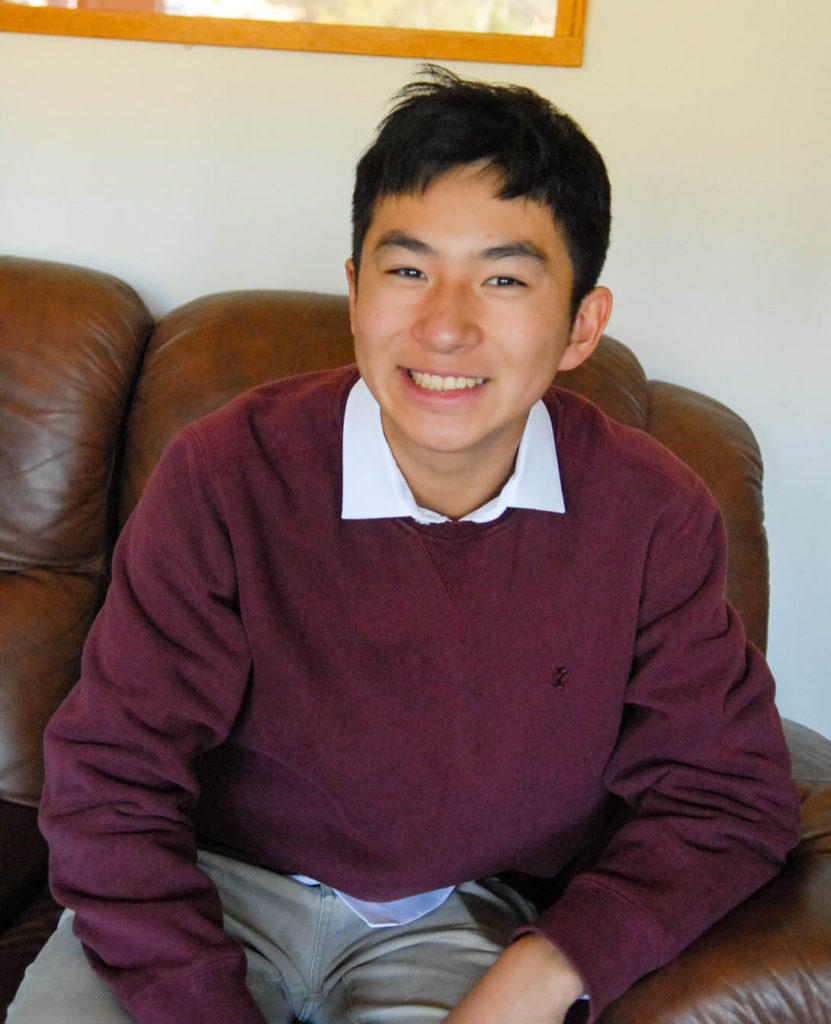
“Demystifying Nanotech” by Ethan Hsiao
Despite the “for-geniuses-only” stigma of nanotechnology, the truth is
that everyone can understand nanotech and expand its reaches through
their own contributions. Ethan discusses finding an unprecedented crystal
structure while analyzing the ratios of chemicals (precursor molar ratios)
in the reaction that results in the product MoS2, a 2D material. These
results have implications on the industrial implementation of transistors
and nano-LEDs, leading to a better understanding of MoS2 synthesis.

“How Bad Breath Can Save Your Life” by Joel I. Bullard II
Did you know that the smell of your breath can be a precursor to diseases or conditions of your body? It can also guide you with your own oral health. By paying attention to these signs, you can use the particular scent that is given off as an indicator to what specific disease or condition is within the human body. Joel will help you rethink your oral hygiene and change your life!
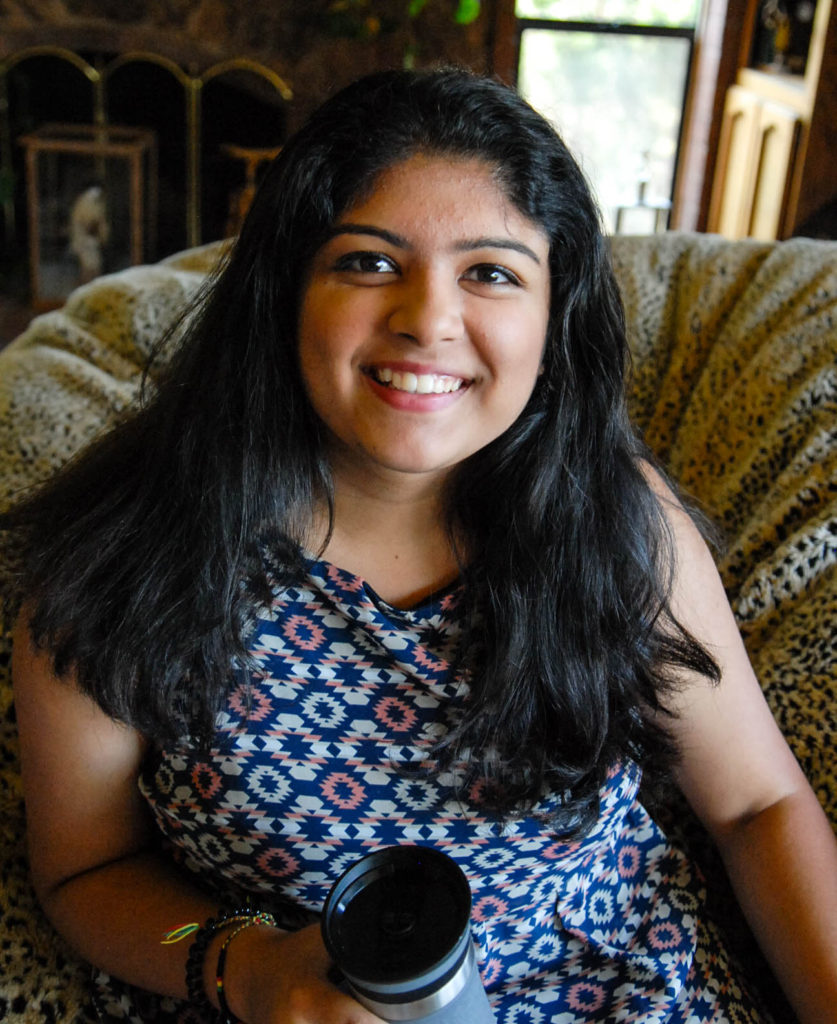
“Get Your Shots!” by Eshika Nellore
Worried that plagues and diseases will cause hundreds of thousands of people to die, Eshika will present a refreshing solution to stop the spread of these illnesses. She brings to light, logical explanations behind shots and how they help protect the body from these epidemics. Come see how she implements music, art and reasoning in her talk!
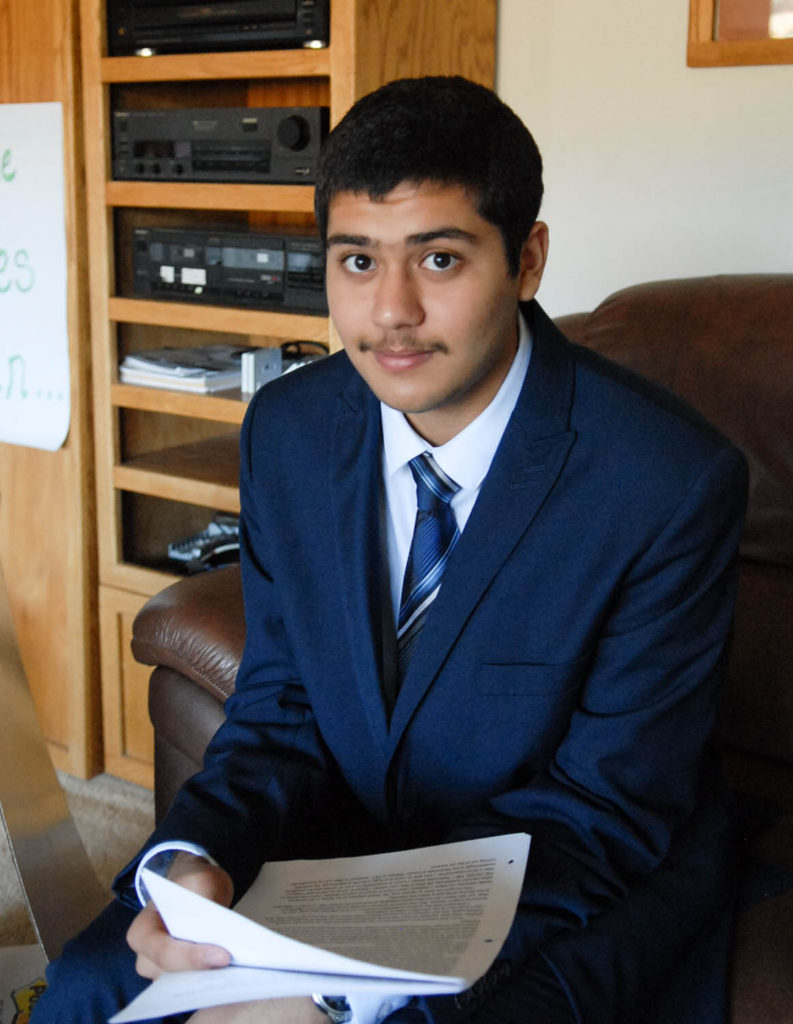
“Cleaning up the Atmosphere One Car at a Time” by Aryan Dawra
The Particulate Emissions Tailpipe (PET) is a device that can be attached to the end of your car’s tailpipe and uses an electric field to capture the toxic particulate matter that is emitted from the engine. PET is designed to be built using household and easily accessible items. Check out the PET YouTube Channel so you can build your own PET and reduce your car’s emissions and negative impact on our atmosphere.
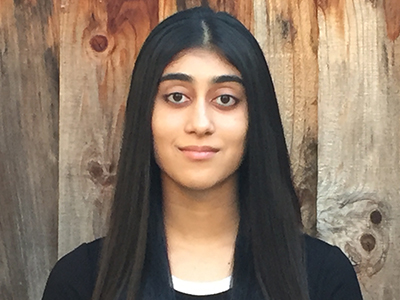
“Why Diversity Matters for the Future of Artificial Intelligence” by Eva Prakash
The world is in a revolutionary digital transformation driven by artificial intelligence. As its uses become more widespread, an important question arises: who will be defining the future of AI? Currently, only a homogeneous group of people are building these technologies, and diversity is lacking in this field. In this talk, Eva shares the benefits of making this important field humanistic and representative of women and people of color.
TEDxMeritAcademy: 2017 Events

“How to stop overpopulation on Earth” by Pascal Costa
Overpopulation is a huge problem. Pascal will speak about the urgency of overpopulation, and how each of us can help. She founded Preventing OverPopulation in 2016. www.popoverpop.com
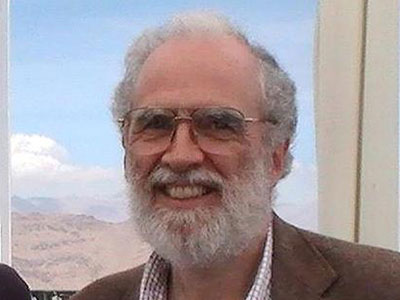
“Supermassive black holes: the most powerful objects in the universe” by Martin Gaskell
Have you ever wondered whether black holes exist? UCSC astrophysicist Dr. Martin Gaskell explains this in simple, everyday language.
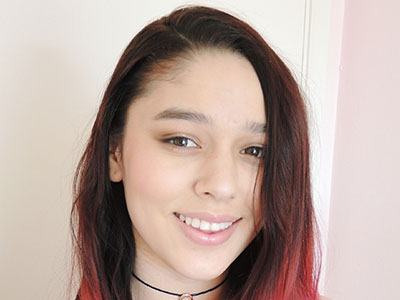
“Creating a grassroots movement to inspire change” by Hannah Faris
A young environmentalist, Hannah is president of Kids 4 Hydrogen, and she’s organizing a grassroots movement. She’s got a plan and the passion to get everyone to join her. www.kids4hydrogen.org
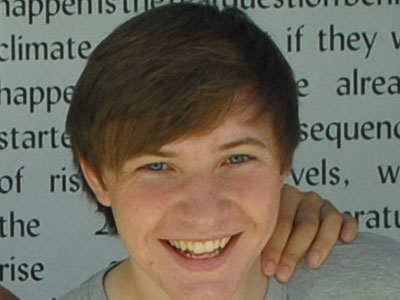
“Rethinking how we drive” by Logan Conover
When natural disasters start to happen is the real question behind climate change, not if they will happen. Logan will discuss practical solutions that we can all embrace. Founded When, Not If… in 2016. www.whennotif.org
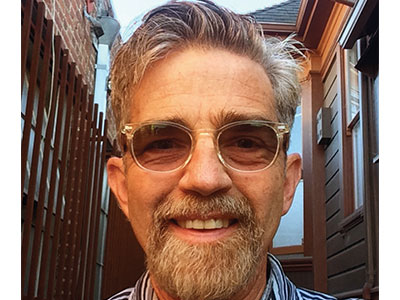
“What if you built a river in a classroom?” by Gregory Gavin
Gregory uses the engaging properties of water to create a new kind of classroom. Only in a world with consequences, he argues, can children truly be engaged, take on responsibility and become creative agents.
“Let’s stop the flow of plastic pollution into our oceans” by Tim Niemier
We need healthy oceans, but we can’t give up our plastic. Tim will discuss a clever way of combining great worldwide designs with an inexpensive local recycling process that can stop the flow of plastics into our oceans.
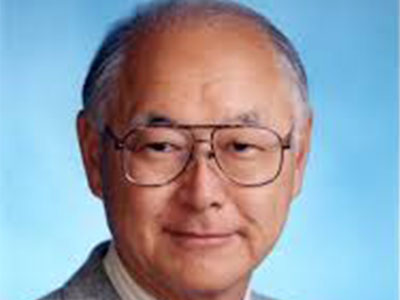
“Racism and America’s Concentration Camps” by Mas Hashimoto
Remember when the American government unjustly incarcerated 120,000 persons of Japanese ancestry during WWII? Mas will compare how this and the massive discrimination of Muslims are both founded in hate and racism.